User Land Attacks: 5g ue security, baseband hacking, sim card vulnerabilities
Advanced exploitation targeting 5G UE, SIM/eSIM, and baseband firmware. Research focuses on isolated execution bypasses and modem-to-AP escalation.
User equipment (UE) represents the most physically accessible attack surface in any cellular network. Research in this domain spans the full hardware stack: from the application processor and its trusted execution environment (TEE) down to the baseband processor, which operates as an independent real-time operating system with privileged access to radio hardware and subscriber identity data.
Baseband processors — such as the Qualcomm MSM family and Samsung Shannon chips — run proprietary firmware that parses complex, externally-supplied 3GPP signaling messages (RRC, NAS) without modern memory-safety guarantees, creating a rich target for over-the-air fuzzing and remote code execution research. A single malformed RRC message delivered by a rogue base station can trigger a pre-authentication vulnerability affecting every device in range.
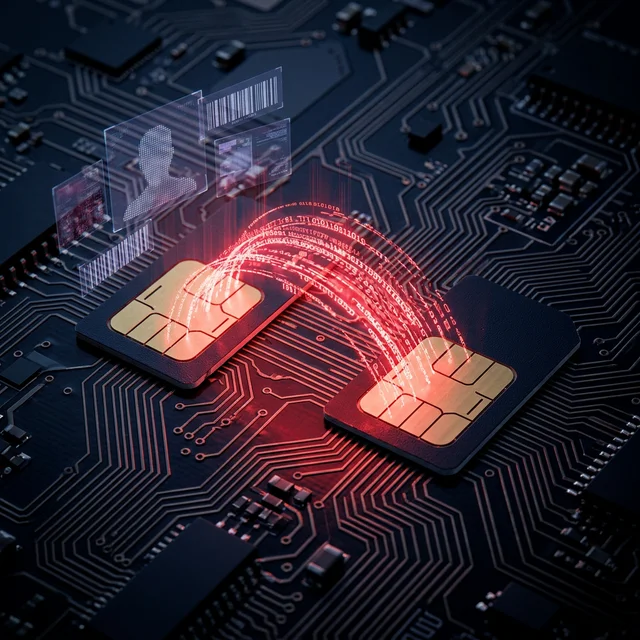
SIM and eSIM security is a parallel research track, encompassing JavaCard OS vulnerabilities, SIM Toolkit (STK) command abuse, OTA provisioning exploitation, and the eSIM remote provisioning architecture. Compromising the UICC grants persistent access to subscriber credentials, authentication vectors, and long-term cryptographic keys — the foundation of every cellular identity.
Relevant industry standards for this domain include 3GPP TS 33.117 (security assurance for the UE), GSMA SGP.22 for eSIM remote SIM provisioning architecture, and NIST SP 800-187 for LTE/5G network security. Responsible disclosure in this domain typically involves coordinating with chipset vendors and handset manufacturers through GSMA CVD (Coordinated Vulnerability Disclosure) processes, which govern patch timelines, embargo periods, and the allocation of CVE identifiers for cellular protocol vulnerabilities.
:: KEY THREAT VECTORS
:: INTELLIGENCE FEED
READY TO MASTER USER LAND ATTACKS?
Access hands-on simulation environments, protocol fuzzers, and specialized labs mapping specifically to user land attacks vulnerabilities.